
Introduction
Human resources are the heart of every successful company, and understanding Hr Basics is the first step toward creating a productive, positive, and well-organized workplace. Whether a business has five employees or thousands, HR plays a key role in hiring the right people, helping them grow, solving workplace problems, and making sure everyone follows company rules. Many people think HR is only about recruitment, but it is much more than that.
It supports employees throughout their entire journey, from their first interview to their final working day. Learning Hr Basics helps business owners, managers, students, and future HR professionals understand how companies build strong teams, improve employee performance, and create a healthy work environment. This guide explains every important concept in simple English so even school students can easily understand how modern human resources work and why they are essential for every organization.
What Are Hr Basics?
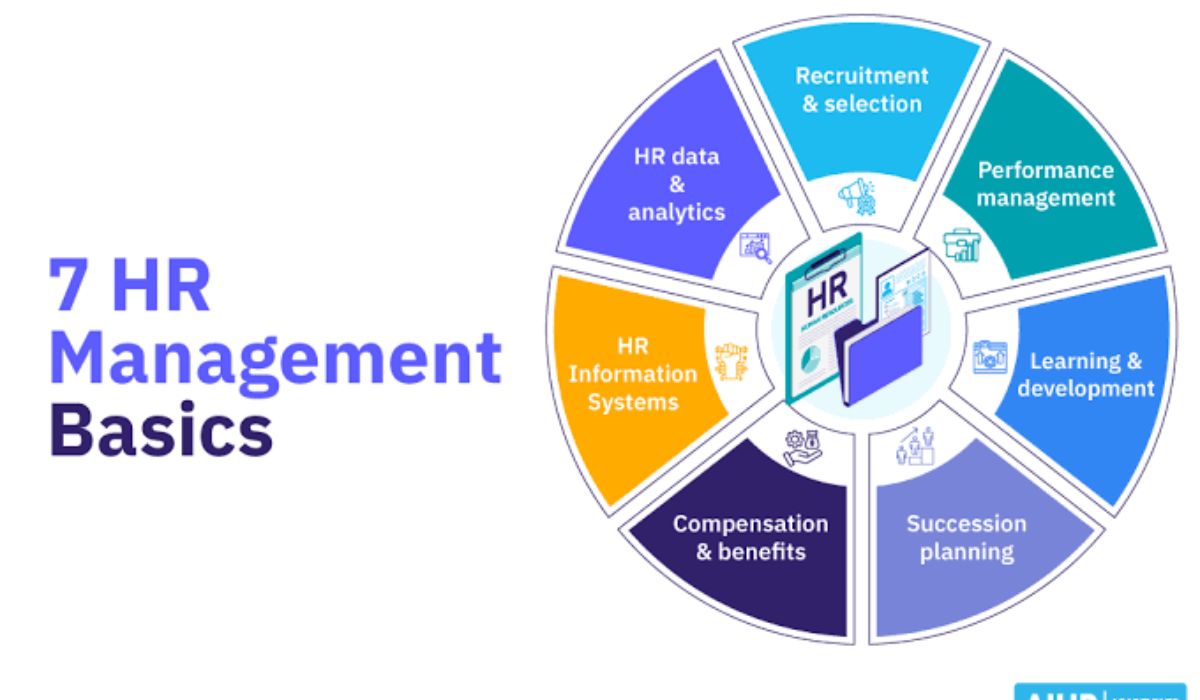
Hr Basics refer to the fundamental activities and responsibilities of the Human Resources department. HR manages the relationship between employers and employees while ensuring the workplace operates smoothly. Every organization depends on HR to recruit talented people, train new employees, manage salaries, maintain company policies, and solve employee concerns.
HR also helps create a positive work culture where employees feel respected and motivated. Without a proper HR system, businesses may struggle with hiring mistakes, poor communication, legal issues, and low employee satisfaction. Understanding these basic HR functions gives organizations a strong foundation for long-term success.
Why Hr Basics Are Important
Every successful company invests in HR because employees are its greatest asset. A skilled HR department helps businesses attract qualified workers, improve employee performance, and reduce staff turnover.
Some major benefits include:
- Better hiring decisions
- Higher employee satisfaction
- Improved workplace communication
- Strong company culture
- Legal compliance
- Better employee retention
- Increased productivity
When employees feel supported, they work harder, stay longer, and contribute more to company goals.
Recruitment and Hiring
One of the most important parts of Hr Basics is recruitment. Hiring the right employees affects every part of a business.
The recruitment process usually includes:
- Identifying job vacancies
- Writing job descriptions
- Advertising positions
- Reviewing applications
- Conducting interviews
- Checking references
- Offering employment
Good hiring practices reduce future problems and help companies build talented teams.
Employee Onboarding
Hiring someone is only the beginning. New employees need proper guidance to understand their job responsibilities and company culture.
A good onboarding process includes:
- Introducing company policies
- Meeting team members
- Providing workplace training
- Explaining company values
- Setting performance expectations
Employees who receive effective onboarding become productive faster and feel more connected to the organization.
Employee Training and Development
Continuous learning is another important part of Hr Basics. Businesses change quickly, so employees must develop new skills regularly.
Training programs may include:
- Technical skills
- Leadership development
- Communication training
- Customer service
- Workplace safety
- Software training
Companies that invest in employee development often experience higher productivity, stronger teamwork, and greater innovation.
Performance Management
Performance management helps organizations measure employee success and identify areas for improvement.
A performance management system usually includes:
- Goal setting
- Regular feedback
- Performance reviews
- Employee coaching
- Career planning
Instead of only evaluating employees once a year, many modern companies provide continuous feedback that helps workers improve throughout the year.
Compensation and Benefits
Fair compensation motivates employees to perform their best. HR manages salary structures and employee benefits to remain competitive in the job market.
Common employee benefits include:
- Health insurance
- Paid leave
- Retirement plans
- Performance bonuses
- Flexible working hours
- Employee wellness programs
Competitive benefits improve employee satisfaction and encourage talented workers to remain with the company.
Employee Relations
Healthy relationships between employers and employees create a positive workplace. HR helps solve conflicts fairly while maintaining trust between both sides.
Employee relations involve:
- Listening to employee concerns
- Resolving workplace disputes
- Supporting open communication
- Promoting teamwork
- Maintaining respectful behavior
Strong employee relations reduce workplace stress and improve overall morale.
Workplace Policies and Compliance
Every organization needs clear policies to guide employee behavior. HR creates and updates these policies while ensuring compliance with labor laws.
Common workplace policies include:
- Attendance rules
- Code of conduct
- Leave policies
- Anti-harassment guidelines
- Equal employment opportunities
- Health and safety procedures
Following legal requirements protects both employees and employers from unnecessary risks.
HR Technology
Modern businesses increasingly use technology to simplify HR work. HR software automates many routine tasks, saving time and improving accuracy.
Popular HR technology features include:
- Employee databases
- Attendance tracking
- Payroll processing
- Recruitment management
- Performance tracking
- Online training platforms
Automation allows HR professionals to focus more on employee development instead of paperwork.
Payroll Management
Payroll is one of the most sensitive HR responsibilities. Employees expect accurate and timely salary payments every month.
Payroll management includes:
- Salary calculation
- Tax deductions
- Bonuses
- Overtime payments
- Leave adjustments
- Payslip generation
Accurate payroll builds employee trust and helps organizations comply with financial regulations.
Building a Positive Company Culture
Company culture reflects how employees behave, communicate, and work together. HR plays a major role in creating a workplace where people feel valued and motivated.
A positive culture includes:
- Respect
- Teamwork
- Diversity
- Inclusion
- Recognition
- Open communication
Employees working in supportive environments usually perform better and remain loyal to the organization.
Essential Skills Every HR Professional Needs
Understanding Hr Basics also means developing important professional skills.
Successful HR professionals should have:
- Communication skills
- Problem-solving ability
- Leadership qualities
- Emotional intelligence
- Time management
- Organization skills
- Decision-making ability
- Confidentiality
- Conflict resolution
- Adaptability
These skills help HR professionals manage people effectively while supporting company goals.
Common Challenges in Human Resources
Even experienced HR teams face workplace challenges. Identifying these issues early helps organizations solve them before they become serious.
Common HR challenges include:
- Hiring skilled employees
- Employee turnover
- Low workplace motivation
- Managing remote workers
- Workplace conflicts
- Legal compliance
- Employee burnout
- Rapid technological changes
Strong HR planning helps businesses overcome these challenges while maintaining productivity.
Best Practices for Strong HR Management
Organizations can improve their HR performance by following proven best practices.
These include:
- Hire based on skills and values.
- Provide regular employee feedback.
- Invest in continuous learning.
- Encourage open communication.
- Reward employee achievements.
- Keep workplace policies updated.
- Use HR technology efficiently.
- Promote diversity and inclusion.
- Maintain accurate employee records.
- Focus on employee well-being.
Following these practices creates a healthy workplace where employees and businesses grow together.
The Future of Human Resources
The future of HR continues to evolve with technology, artificial intelligence, remote work, and changing employee expectations. HR professionals are becoming strategic business partners rather than simply handling administrative tasks.
Future HR trends include:
- AI-assisted recruitment
- Remote workforce management
- Employee wellness programs
- Skills-based hiring
- Digital learning platforms
- Data-driven HR decisions
Organizations that adapt to these changes will remain competitive and attract top talent.
Conclusion
Learning Hr Basics provides valuable knowledge for students, managers, business owners, and future HR professionals. Human Resources is much more than hiring employees. It supports recruitment, onboarding, training, payroll, performance management, employee relations, legal compliance, and workplace culture. Every successful organization depends on effective HR practices to build strong teams, improve employee satisfaction, and achieve business goals.
By understanding these essential HR principles, businesses can create workplaces where employees feel motivated, respected, and ready to contribute their best every day. As technology and work environments continue to evolve, strong HR foundations will remain one of the most important factors behind long-term organizational success.
Frequently Asked Questions (FAQs)
1. What are Hr Basics?
Hr Basics are the core functions of Human Resources, including recruitment, employee training, payroll, performance management, workplace policies, and employee relations.
2. Why are Hr Basics important for businesses?
They help companies hire the right employees, improve productivity, maintain legal compliance, and create a positive work environment.
3. What is the main responsibility of HR?
The main responsibility of HR is to manage employees throughout their employment while supporting organizational goals and maintaining workplace standards.
4. What skills should an HR professional have?
An HR professional should have communication, leadership, organization, conflict resolution, emotional intelligence, and decision-making skills.
5. Can small businesses benefit from Hr Basics?
Yes. Even small businesses need effective HR practices to recruit employees, manage payroll, follow labor laws, and build a positive workplace culture.
Read More: What Is Bigfix? A Complete Guide to Endpoint Management